
Table of Contents
Match Colors in Your Outfits is only part of creating a great outfit. An outfit’s appearance and feel can be drastically altered by color.
Sometimes a simple outfit can look incredibly stylish because the colors work well together. At other times, even expensive clothing can look unbalanced because the colors don’t complement each other.
The good news is that you don’t need to be a fashion expert to understand color matching. With a few simple principles, you can learn how to match colors in your outfits and create combinations that feel natural, modern, and confident.
Whether you prefer minimalist fashion, streetwear, casual clothing, or bold looks, these tips will help you make better choices when putting together your next outfit.

Why Does Fashion Need Color Matching?
One of the first things that people notice about an outfit is its color.
The right combination can make your clothes look more coordinated, while the wrong combination can make an outfit feel visually confusing.
Good color coordination can help you:
- Create a more polished appearance.
- Make simple outfits look stylish.
- Highlight your favorite clothing pieces.
- Build a versatile wardrobe.
- Express your personality
- Avoid unnecessary fashion mistakes.
You don’t need to wear perfectly matching colors. In fact, contrast can often make an outfit more interesting.
1. Start With Neutral Colors
If you’re new to color coordination, neutral colors are the easiest place to begin.
Common neutral shades include:
- Black
- White
- Grey
- Beige
- Cream
- Navy
- Brown
Match colors in your outfits are highly versatile and can be combined with almost anything.

Easy Example
White T-shirt + Black Jeans + White Sneakers
It’s simple, but the combination works because the match colors in your outfits are clean and balanced.
2. Use the 60-30-10 Rule
The 60-30-10 rule is a simple way to think about color balance.
It divides an outfit into three visual levels:
- 60%: Main color
- 30%: Secondary color
- 10%: Accent color
For example:
60% Beige + 30% Black + 10% Green
The main color could be your trousers or jacket, while the secondary color could come from your shirt. The accent could be your sneakers, bag, or accessories.
You don’t have to follow the rule perfectly. It’s simply a useful starting point.
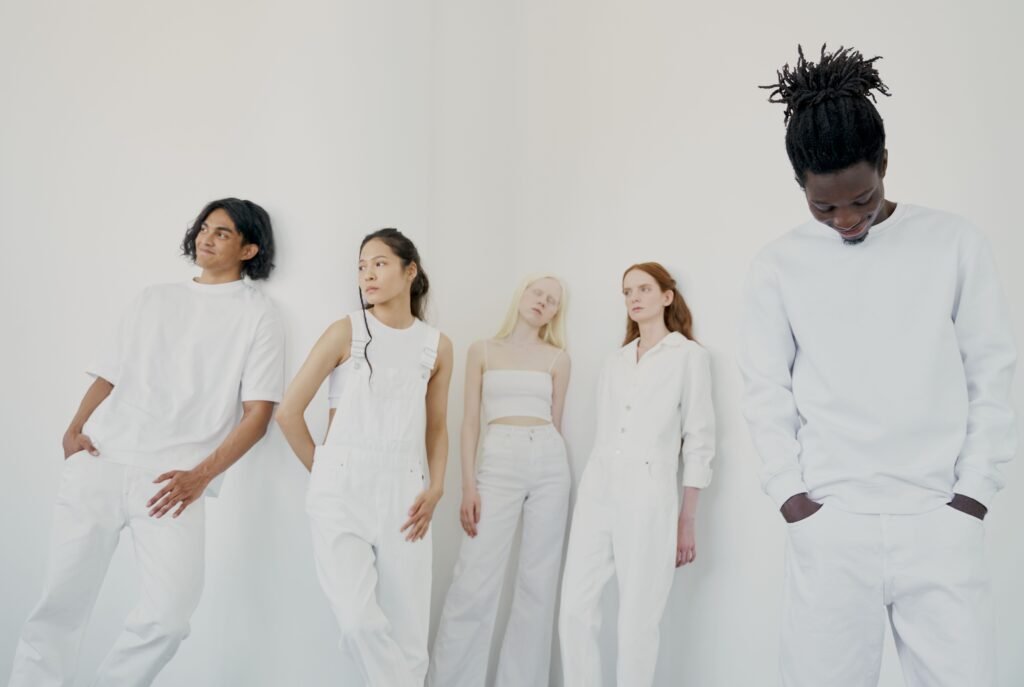
3. Try Monochromatic Outfits
Different tones of the same hue are used in a monochromatic ensemble.
For example:
Dark blue jacket, medium blue jeans, and light blue shirt
This creates a coordinated appearance without requiring multiple colors.
Other Ideas
- Cream + Beige + Brown
- Light Grey + Charcoal + Black
- Light Green + Olive + Dark Green
- White + Off-White + Cream
Monochromatic styling is especially useful if you prefer minimalist fashion.
4. Combine Complementary Colors
Complementary colors sit opposite each other on a traditional color wheel.
Some examples include:
- Blue + Orange
- Green + Red
- Purple + Yellow
These combinations create strong contrast.
However, you don’t necessarily need to use extremely bright versions of both colors.
A softer approach could be:
Navy + Rust
or
Olive + Burgundy
This creates contrast while keeping the outfit wearable.
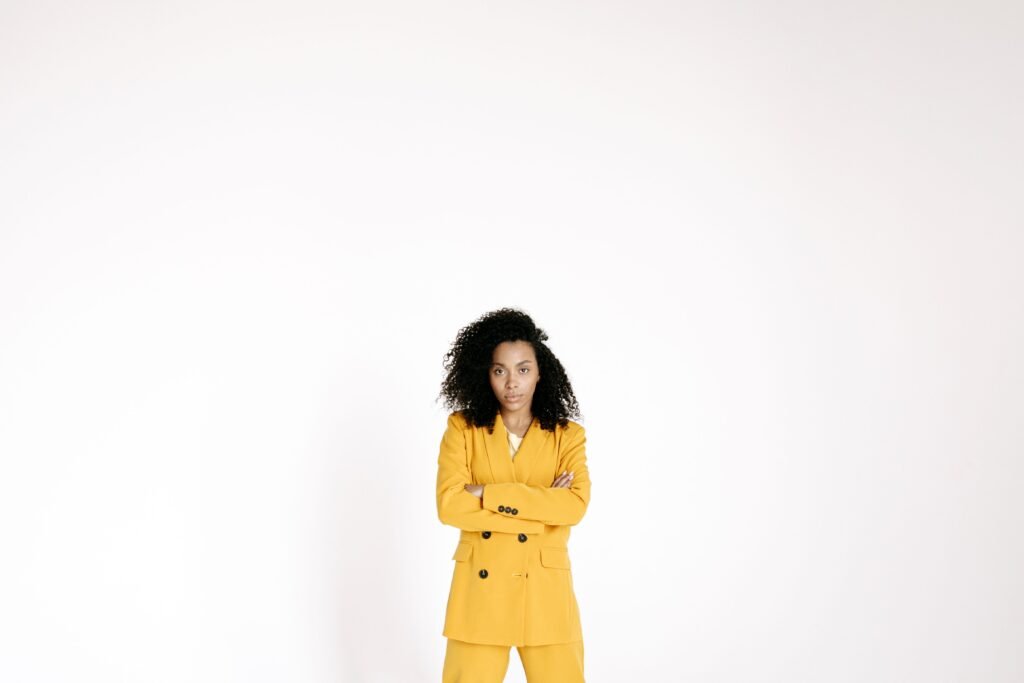
5. Use One Statement Color
If you enjoy bold fashion but don’t want your outfit to become overwhelming, choose one statement color.
For example:
Black T-shirt + Black Jeans + Bright Red Jacket
The neutral base allows the jacket to become the focus.
You can also use:
- Bright sneakers
- Colorful bags
- Bold shirts
- Statement accessories
- Vibrant jackets
This is one of the easiest ways to make a simple outfit stand out.
6. Explore Methods for Styling Black and White
Black and white are probably the easiest colors to combine.
match colors in your outfits ,match colors in your outfits
They create strong contrast while remaining timeless.
Simple Outfit Ideas
White pants, black sneakers, and a black T-shirt
White Shirt + Black Jeans + White Sneakers
Black Jacket + White T-shirt + Blue Denim
These combinations work for both casual and smart-casual outfits.
7. Don’t Forget Denim
Blue denim is extremely versatile.
A classic pair of blue jeans can work with:
- White
- Black
- Grey
- Beige
- Green
- Brown
- Navy
- Pastel shades
For example:
Blue Jeans + Beigefarbiges Hemd + Weiße Sneakers
creates a simple and relaxed outfit.
Because denim is so easy to combine, it should be a key part of a versatile wardrobe.

8. Match Your Shoes With the Outfit
Shoes are often overlooked when people think about color combinations.
However, footwear can either complete an outfit or make it feel disconnected.
Easy Rules
White sneakers:
Work well with almost everything.
Black shoes:
Great with darker and neutral outfits.
Brown shoes:
Work especially well with beige, cream, navy, and earthy colors.
Colorful sneakers:
Use them as the statement piece while keeping the rest of your outfit relatively simple.
You don’t always need your shoes to exactly match colors in your outfits. They simply need to work with the overall color palette.
9. Use Earthy Colors for an Effortless Look
Earth tones have become a popular choice for people who prefer subtle, natural-looking outfits.
Popular earthy shades include:
- Olive
- Brown
- Beige
- Cream
- Rust
- Sand
- Khaki
These colors work particularly well together.
Try This Combination
Olive Oversized Shirt + Beige Trousers + White Sneakers
It has a relaxed fit and a modern style,

Final Thoughts
Learning how to match colors in your outfits can make everyday dressing much easier. Start with versatile neutrals, experiment with simple color combinations, and gradually introduce shades that reflect your personality.
Remember, fashion isn’t about following every rule. It’s about finding combinations that make you feel comfortable, confident, and stylish.
For more fashion inspiration, outfit ideas, and styling guides, explore the Zoxaro blog and discover new ways to build your personal style.
if you more learn about this topic then mentioned link here Ten fabulous ways to wear Large clothes